Loan App Checklist: What to Review Before You Apply
A loan app can make borrowing more convenient by allowing users to check eligibility, submit details and manage repayment-related information digitally. The speed of the process can be useful, but borrowers should still review the loan amount, interest rate, tenure and applicable charges before accepting any offer.
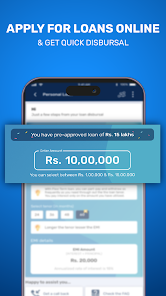
People exploring an instant loan app should focus on affordability rather than only quick access. A fast application process does not reduce the importance of checking whether the EMI fits comfortably within the monthly budget.
Check One: Is the Loan Amount Based on a Real Need?
The first step is to calculate the actual amount required. Borrowing more than necessary increases both the EMI and the total interest paid over time.
If the purpose is clearly defined, it becomes easier to avoid taking a larger amount simply because the app shows a higher eligible limit. The approved amount should not automatically become the amount borrowed.
A disciplined approach starts with the requirement, not the maximum offer.
Check Two: What Interest Rate Applies?
The interest rate directly affects the cost of borrowing. Even a small difference can become meaningful over a longer repayment period.
Borrowers should check whether the displayed rate is the actual rate offered to them or only an indicative starting rate. The final rate may depend on factors such as income, credit profile and lender criteria.
Comparing rates is useful only when the complete loan conditions are also considered.
Check Three: What Is the Total Repayment?
A low EMI can look attractive, but it does not show the full cost of the loan. A longer tenure may reduce the monthly payment while increasing the total amount repaid.
Borrowers should calculate both the monthly instalment and the complete repayment amount. This gives a clearer picture of how much the loan will actually cost over time.
The total repayment should be reviewed before the offer is accepted.
Check Four: Are There Processing or Other Charges?
Loan-related costs may include more than interest. Depending on the lender and product, additional charges can apply.
These may include:
- Processing fees
- Applicable taxes
- Late-payment charges
- Prepayment-related charges
- Other service-specific costs
Borrowers should review the fee schedule carefully rather than assuming the EMI represents the complete cost.
Check Five: Can the EMI Fit Into the Monthly Budget?
A loan becomes difficult when the repayment leaves too little money for essential expenses.
Borrowers can first review their monthly income and subtract:
- Rent or housing costs
- Existing EMIs
- Household expenses
- Insurance commitments
- Savings contributions
- Other fixed obligations
The remaining amount can help indicate whether the proposed EMI is manageable.
Check Six: Does the Tenure Make Sense?
A shorter tenure usually means a higher EMI but potentially lower overall interest. A longer tenure can reduce the monthly burden while extending the repayment period.
Neither option is automatically better. The right tenure is the one that balances monthly affordability with the total cost of borrowing.
Borrowers should avoid choosing the longest tenure only because the EMI looks smaller.
Check Seven: What Happens if You Miss a Payment?
Before accepting a loan, borrowers should understand the consequences of delayed repayment.
Late payments may lead to additional charges and can also affect the borrower’s credit profile. Repeated delays can make future borrowing more difficult.
Knowing these consequences can help borrowers plan repayment more seriously from the beginning.
Check Eight: Is Prepayment Allowed?
Financial circumstances can improve during the loan tenure. A borrower may receive a bonus, salary increase or other surplus funds and decide to repay the loan faster.
The lender’s prepayment or foreclosure rules should therefore be checked in advance. Some loans may allow early repayment under specific conditions, while charges may apply in other cases.
Understanding these terms early gives borrowers more flexibility later.
Check Nine: Is the Platform Official and Secure?
Borrowers should use only verified apps and official channels when submitting personal or financial information.
Sensitive details such as OTPs, PINs and passwords should never be shared with unknown individuals. Users should also be cautious of messages promising guaranteed approval or asking for unusual payments before processing.
Security is just as important as loan pricing.
Check Ten: Is the Loan Necessary Right Now?
Quick access can make borrowing feel easier than it actually is. Before proceeding, borrowers should ask whether the expense can be delayed, reduced or funded partly through savings.
A loan should ideally solve a specific financial requirement. Borrowing for avoidable or impulsive spending can create unnecessary repayment pressure for several months.
Taking a few minutes to review alternatives can prevent a long-term obligation that was not needed.
A Fast Application Should Still Include Slow Thinking
Digital lending makes the process faster, but the decision itself should not be rushed. Borrowers should take time to read the offer, understand the repayment schedule and compare the cost with their monthly finances.
The convenience of a loan app is most useful when it reduces paperwork, not when it encourages impulsive borrowing.
Speed and financial discipline should work together.
Keep Existing Debt in View
A borrower may already have other loans, credit card balances or instalment obligations. Adding another EMI can change the overall debt burden significantly.
The new loan should therefore be evaluated alongside existing commitments rather than on its own.
A manageable EMI can become difficult when several repayments fall due around the same time each month.
Credit Profile Still Matters
Loan apps may simplify the application process, but lenders still evaluate borrower eligibility. Credit history, income stability and repayment capacity can influence the final offer.
Maintaining timely payments on existing obligations can support a healthier credit profile. Borrowers should avoid applying repeatedly for credit without a clear need.
Responsible borrowing behaviour matters before, during and after the loan.
Keep a Repayment Buffer
A budget that leaves no room for unexpected expenses can become difficult to maintain.
Medical costs, repairs or temporary income disruption can affect repayment ability. Keeping an emergency buffer alongside the EMI can provide some flexibility during such periods.
This can also reduce the need to take additional debt simply to service existing debt.
Conclusion
A loan app can simplify borrowing by bringing eligibility checks, application steps and repayment information into one digital experience. The most important decision, however, still happens before the loan is accepted: whether the amount, tenure and EMI are genuinely affordable.
Borrowers looking for the best personal loan should compare total cost, repayment flexibility, charges and eligibility rather than focusing only on quick approval or the headline interest rate. A suitable loan is one that meets the financial need without putting unnecessary pressure on the monthly budget.